
Rethinking After-School Time for Your Child’s Growth
The hours between school and dinner can shape a child just as much as what happens in the classroom. In that short window, kids can either zone out on screens or grow in confidence, focus, and character. How they spend that time affects sleep, grades, behavior, and the mood of the whole family in the evening.
Parents often worry about safety, supervision, bullying, homework, and how to help kids let go of school stress in a healthy way. Martial arts after-school care gives another option besides daycare or going home to a tablet. It offers structure, movement, and strong values, all in one place, so those hours support the kind of person you want your child to become.
What Really Happens Between School and Dinner
For many kids, after-school time is a mix of rushing, waiting, and screens. They may ride the bus home, grab a snack, and then sit in front of a TV or device until dinner. Even in well-meaning latchkey or relative care situations, the plan can turn into, “Just keep them busy until their parents get here.”
That can lead to:
- Lots of screen time and very little movement
- Inconsistent supervision, especially during busy afternoon hours
- Missed chances to build skills like focus, responsibility, and good manners
- Kids feeling restless, bored, or more wound up by bedtime
On the other hand, parents often say they wish those hours felt:
- Safe and predictable
- Purposeful, not just “killing time”
- Calm enough for homework, but active enough to burn off energy
- Supportive of their child’s confidence and self-control
After a long school day, many kids are either overstimulated or drained. If they head straight into more noise or more screens, the stress can pile up. An active, structured environment gives them a reset. Moving their bodies, learning clear skills, and being guided by caring adults can help:
- Lift their mood
- Improve sleep at night
- Make evening family time less tense and more connected

How Martial Arts After-School Care Builds More Than Skills
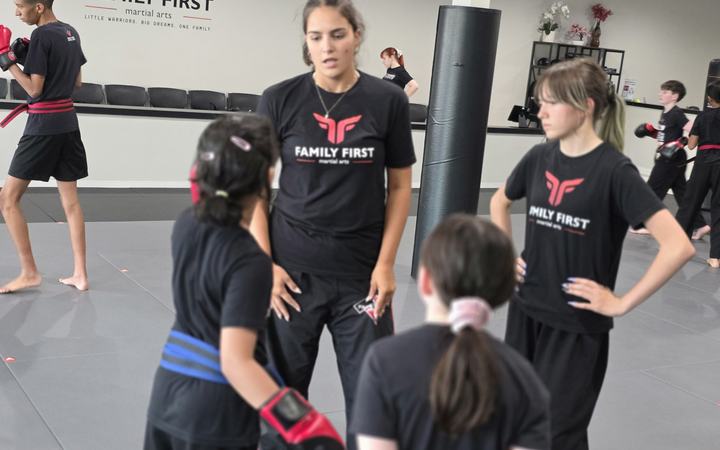
Martial arts after-school care is more than just a class squeezed into the afternoon. At a family-focused academy, a typical day might include pickup from school, a snack, quiet time for homework or reading, and then a professional, age-appropriate martial arts class.
Instead of kids sitting and scrolling, they are:
- Moving, stretching, and building coordination
- Practicing focus and listening with clear drills
- Learning how to show respect to adults and peers
- Hearing short lessons about character and choices
For children ages 4 to 16, the benefits go far beyond the mat. Kids who train in a structured, values-led program often show:
- Better listening skills in the classroom
- More patience with siblings at home
- Greater resilience when schoolwork gets hard
- A stronger sense of responsibility for their own actions
The structure is a big part of why martial arts after-school care works. There are clear expectations, consistent routines, and positive reinforcement. Kids learn to line up, wait their turn, answer with “yes sir” or “yes ma’am,” and keep trying when something is difficult. Instead of adults nagging them every step, the routine itself teaches self-discipline.
A quality program weaves character lessons into every class. Leadership, empathy, and responsibility are not side topics. They show up when kids help a newer student, when they practice control with a partner, or when they set goals for their next belt. This turns practice time into life-skill time, not just physical training.
Safety, Supervision, and Screen Time: What Parents Should Ask
Parents have every right to ask detailed questions before trusting any after-school program. Here are some smart questions to bring to any provider, including martial arts schools:
- Who supervises my child at each stage of the afternoon?
- What is the student-to-staff ratio?
- How are arrivals, transitions, and pickups handled for safety?
- What is the plan if my child is upset, hurt, or has a conflict with another child?
For martial arts, it also helps to ask:
- How are techniques taught to keep kids safe?
- How much contact is involved at each age level?
- Are younger kids and older kids separated appropriately?
- How do instructors correct behavior without shaming or scaring children?
A professional, modern academy does not operate like an old-school hard-core gym. The focus is on encouragement, correct technique, and emotional safety. Beginners, shy kids, and kids who are still learning self-control should feel supported, not embarrassed.
Screen time is another big factor. In a well-designed martial arts after-school program, kids stay engaged. They are training, doing homework, or connecting with peers. Devices are not the main event, so children get a real break from constant digital stimulation.
Matching Martial Arts After-School Care to Your Child’s Needs
Martial arts after-school care is not just for one “type” of child. It can be a strong fit for:
- Energetic kids who need a positive outlet for extra energy
- Shy or anxious kids who need safe, structured confidence boosts
- Natural leaders who need healthy challenge and guidance
- Kids who struggle with focus and need clear routines
Quality programs adjust to different age groups so expectations match maturity. Younger kids, around ages 4 to 7, learn basics like body control, listening, and simple respect habits in a playful, structured way. Kids 8 to 12 are ready for more complex techniques and deeper discussions about choices, effort, and attitude. Teens can handle leadership roles, goal setting, and higher-level training that prepares them for challenges outside the dojo.
Real-world logistics matter too. Many families juggle school pick-up, homework, sports, and trying to get dinner on the table. When martial arts after-school care includes transportation, snack, homework time, and training, it can simplify evenings. Kids come home having moved their bodies and often with homework started or finished, which can reduce chaos later.
For some families, the right martial arts after-school care replaces several scattered activities. Instead of one place for homework help, another for sports, and another for character-building programs, you get one consistent, values-based setting.
A Parent’s Guide to Evaluating Local Programs
Choosing the right program starts long before you sign a form. A simple step-by-step approach helps:
- Research local options online and read a range of parent reviews
- Make a short list of programs that mention safety, structure, and character
- Call to ask basic questions and see how the staff communicates
- Visit in person and watch at least part of a class
During a visit, look for:
- A clean, organized, welcoming facility
- Instructors who are engaged, patient, and respectful
- Clear routines so kids know what to do and where to go
- Students who look focused, challenged, and generally happy, not intimidated or checked out
Ask how the school teaches more than kicks and punches. Is there a clear curriculum? Are character themes like confidence, discipline, and leadership built into classes? How is progress measured besides belt color? You want to hear about effort, attitude, and behavior, not just physical skill.
Not all martial arts after-school care is the same. A family-centered academy that cares about leadership and real-life skills will talk openly about how they support kids at school, at home, and in the community. For families in a place like Franklin, where community and family values are strong, that match in mindset can make all the difference in how those after-school hours shape your child.
Give Your Child a Safe, Enriching After-School Routine
If you are ready for a structured, positive environment that keeps your child active and focused after the final bell, we are here to help at Family First Martial Arts – Franklin. Our martial arts after-school care classes blend character development and fitness in a setting parents can trust. Take the next step with a free trial class so your child can benefit from consistent routines and supportive role models.