
Make After-School Hours Count, Not Chaotic
After-school hours can feel like the hardest part of the day. School is done, work is not, and from 3 to 6 p.m., you are trying to cover homework, snacks, rides, and maybe one or two activities, all while keeping screen time under control.
Parents usually end up choosing between daycare, school programs, sports, tutoring, or a structured martial arts after-school care program. Each choice shapes your child’s routine, behavior, and confidence in very different ways. Our goal here is to give you a simple, honest look at your options so you can match what your child needs with what your family can handle.
In this guide, we compare common after-school choices by cost structure, pickup logistics, supervision, and long-term skill outcomes. We will also explain how a well-run martial arts after-school care program pulls a lot of those needs into one steady routine.
What Your Child Really Needs After 3 P.M.
Those hours between school and dinner are not just “extra time.” For many kids, they are the longest stretch of the day spent away from parents. In those hours, kids either build good habits or pick up ones that are hard to break later.
Across ages 4 to 16, kids need a few core things after school:
- Safety and consistent adult supervision
- Daily movement so their bodies and brains can reset
- Help staying on top of homework and school expectations
- Positive friends and role models who show respect
- Clear routines that make them feel calm, not rushed
When these needs are met, we see better focus in class, less arguing at home, and more steady moods. Good routines in the afternoon also shape how kids handle screens, bedtime, and even food choices. When they are not met, the after-school window can lead to power struggles, stressed homework time, and kids who feel scattered or shut down.
Comparing Common After-School Options Side by Side
Most families pick from a short list, even if the details look different from place to place. Here is a simple way to think about each option.
- Daycare or school-run programs:
- Often open until early evening
- Large group sizes, with mixed ages
- Mix of homework time and free play
- Staff training and structure can vary
- Sports teams or leagues:
- Set practice days and seasons
- Intense physical activity, focus on one sport
- Limited homework support, lots of downtime around practice
- Coaches may or may not be trained in child behavior
- Tutoring centers:
- Strong focus on academics
- Shorter time blocks, often once or twice a week
- Quiet environment, but not much physical movement
- Limited focus on social skills or character
- Martial arts after-school care:
- School pickup may be included, depending on the program
- Built-in class time plus supervised homework time
- Planned lessons in self-defense and character skills
- Instructors trained to manage groups and set clear expectations
No matter which direction a family leans, parents usually circle back to the same practical concerns. They want to know whether homework will actually get done, who their child will be spending time with, what the program does with “down time,” and how adults handle behavior and discipline. Those questions matter more than fancy equipment or a big building, because the day-to-day routine is what shapes habits.
Why Martial Arts After-School Care Stands Apart
Martial arts after-school care ties several needs into one consistent plan. Kids get picked up from school if the program offers transportation, they arrive at a safe space, and they follow the same routine every day. Instead of a loose “free-for-all” afternoon, they know what to expect.
A typical routine includes:
- Snack, bathroom break, and check-in
- Quiet, supervised homework block
- Martial arts class with clear goals and structure
- Cleanup and calm-down time before parents arrive
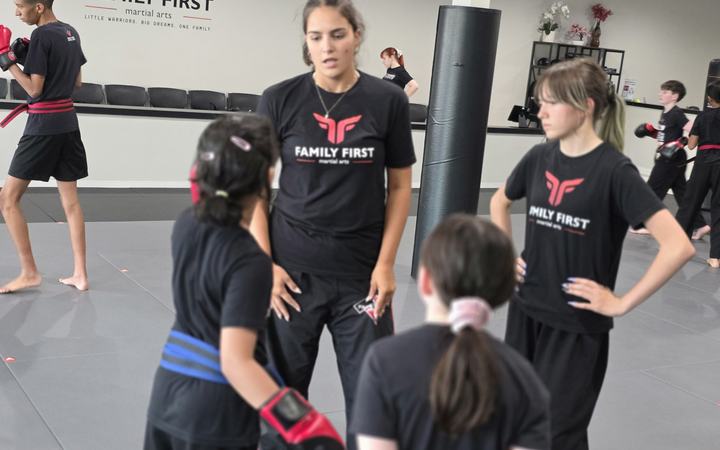
Classes are not just about kicking and punching. Good programs build courtesy, self-control, and perseverance into each lesson. Kids learn to line up, listen the first time, and support each other. Older students often help the younger ones, which creates a natural leadership path and a sense of community.
Instructors spend time with the same kids day after day, so they can notice changes in mood, effort, and behavior. That steady relationship lets them coach kids through hard days, not just cheer on the easy ones.
Cost, Logistics, Routine, and Skill Outcomes
Many families juggle several things at once: after-school care, one or two sports, and maybe extra tutoring. That can mean different payments, different pickup spots, and different rules to keep straight.
Martial arts after-school care pulls a lot of that into one place. Instead of paying separately for supervision, activities, and training, families pay for a single structured program that typically includes:
- Safe school pickup where offered
- Supervised time for homework and reading
- Daily martial arts training and movement
- Character and life skills built into each week
The logistics are often simpler too. Most programs follow a clear daily schedule, with pickup at the same location and roughly the same time every day. This cuts down on rushing from school to one place, then racing across town to another activity.
A typical afternoon might look like this:
- 2:45, 3:30 p.m. School dismissal and van or bus pickup
- 3:30, 4:00 p.m. Arrival, snack, and quick transition from “school brain”
- 4:00, 4:30 p.m. Quiet homework or reading time with adult supervision
- 4:30, 5:15 p.m. Martial arts class for the child’s age and rank
- 5:15, 6:00 p.m. Cool down, light games, or review of the day’s lesson
Along the way, kids are building skills that last longer than one season. Martial arts training supports executive function in simple, real-life ways: listening the first time, following multi-step directions, staying on task, and working toward a visible goal like a new belt. It also gives kids tools for handling big feelings, peer pressure, and frustration.
Matching Programs to Your Child and Planning Their Best Year
No single option fits every child. Younger kids, around ages 4 to 7, usually do best in smaller groups with short, simple routines and instructors who understand big energy and short attention spans. They need playful structure, chances to move, and lots of clear, kind boundaries.
Tweens and teens, from 8 to 16, need something a bit different:
- Real challenge without harsh pressure
- A place where effort is noticed and praised
- Leadership chances, like helping younger students
- Positive peers who share goals, not gossip
Different personalities also need different support:
- Shy or anxious kids often grow in steady, respectful classes
- High-energy kids do well when they have clear rules and lots of movement
- Strong-willed kids respond to firm boundaries paired with genuine respect
As you plan your child’s school year, it helps to map out a simple week: school hours, after-school time, family time, and rest. Then plug in options that match the skills and values you care about most, like confidence, respect, and responsibility.
Before you commit anywhere, ask direct questions about safety, structure, and values. Ask about adult-to-child ratios, background checks, and how they handle behavior issues. Check whether there is real homework support or just “quiet time.” Ask how they talk about respect, responsibility, and kindness with kids, and how they keep parents in the loop.
When you visit in person, watch how kids interact with adults and with each other. Notice how your child seems afterward: more settled, more confident, and more focused, or wound up and stressed. That feeling will tell you as much as any brochure.
For families here in Franklin looking at martial arts after-school care, the twice-a-week classes at Family First Martial Arts can be a steady, positive anchor in your child’s week. With age-specific classes for kids from age 4, teens and adults, and a clear focus on confidence, discipline, and leadership, the after-school hours can become one of the strongest parts of your child’s day.
Give Your Child a Fun, Safe Place to Grow After School
Discover how our structured classes, caring instructors, and safe environment can turn those afternoon hours into real progress in confidence, focus, and respect. At Family First Martial Arts – Franklin, we help kids build strong character while you enjoy peace of mind knowing where they are and what they are learning. Explore our martial arts after-school care options to find the schedule and program that fit your family best. Reach out today to reserve your child’s spot and start seeing the difference in their daily routine.