
Give Your Child More Than Just After-School Care
Choosing after-school care is a big deal. You are not just filling the hours between school and pickup; you are deciding who helps shape your child’s habits, confidence, and daily routine. Those hours from 3 to 6 p.m. can feel like the hardest part of the day for many families.
Parents are often juggling school pickup, traffic, homework, snacks, sports, and trying to keep kids off screens. A strong martial arts after-school care program can bring all of that into one safe, structured place. It can take care of the logistics, while also building character, respect, and leadership.
At Family First Martial Arts in Franklin, we design our programs around those goals. We want parents to feel calm and kids to feel confident. Below, we will walk through how to evaluate any martial arts after-school care program for safety, structure, transportation, and academic support before you commit for the school year.
Non-Negotiable Safety Standards Every Parent Should Expect
When you visit a martial arts school, start by looking at the space itself. You should see:
- Clean mats and training areas
- Clear walkways with bags and shoes out of the way
- Controlled access to doors, especially near parking lots
- Posted rules that kids can understand and follow
Ask about how many students are in each group and how many adults are watching them. A good program keeps class sizes reasonable and has trained staff supervising at all times, not just while kids are on the mat. It is also fair to ask if staff have background checks, youth safety training, and CPR or first aid certifications. Ask how they handle emergencies and how they will contact you if something happens.
Physical safety is only part of the picture. Emotional and social safety matter just as much. Strong programs:
- Have clear anti-bullying rules and follow through on them
- Use positive discipline instead of yelling or shaming
- Set clear, age-appropriate expectations for behavior
You can ask how they correct a child who is not listening or who is rough with others. Listen for language that sounds respectful and calm. Ask about policies on physical contact in drills, social media, and how they protect student privacy.
Watch for red flags such as:
- Kids waiting around with no adult paying attention
- Classes that feel wild, chaotic, or out of control
- Instructors who yell, mock, or use fear to control kids
During a tour or trial class, you might ask, “How do you handle bullying between students?” or “What happens if my child is upset or overwhelmed?” The answers will tell you a lot about whether safety really comes first.
Why Structure and Routine Matter After the School Bell Rings
School days are full of transitions, so a predictable after-school routine can help kids feel calmer. In a martial arts after-school care program, a healthy daily flow might look like:
- Arrival and check-in with a staff member
- Snack and a short transition period or playtime
- Focused homework or reading block
- Martial arts training and character lesson
- Closing routine and clean-up before pickup
This kind of structure cuts down on wandering, bickering, and endless screen time. Kids know what comes next, and parents know what to expect when they arrive.
Discipline in a good martial arts school is not about scaring kids. It is about clear, consistent expectations. Things like bowing on and off the mat, answering “yes sir” or “yes ma’am,” keeping uniforms and belts neat, and putting gear away teach respect and responsibility. Those habits often carry over into the classroom and at home.
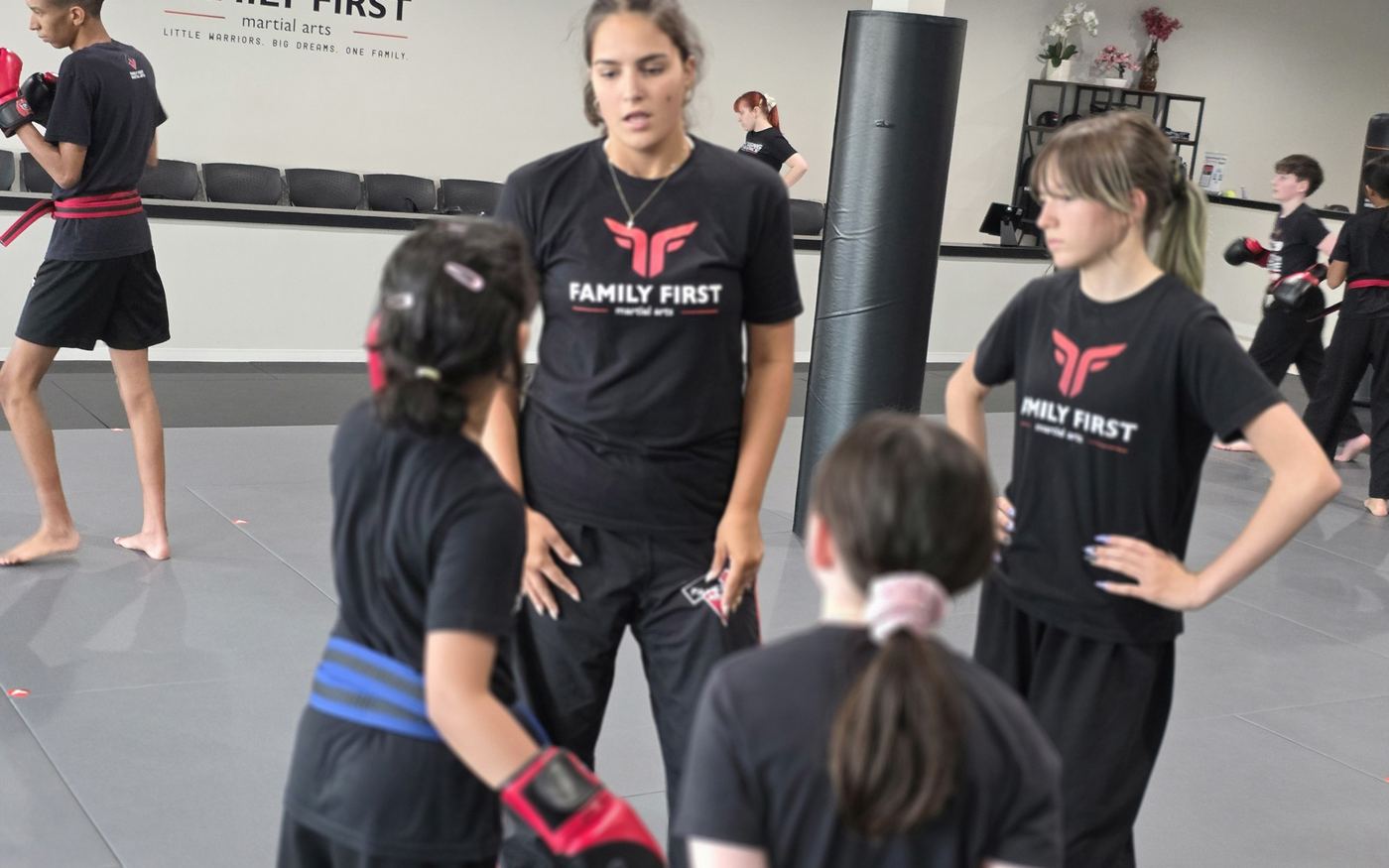
At the same time, the tone should be warm and encouraging. Shy or anxious children should feel welcomed, not pushed to the point of tears. When you observe a class, notice:
- Do instructors get down on a child’s level when they talk?
- Do they explain skills in simple steps and celebrate small wins?
- Do they correct mistakes calmly and clearly?
Make sure the values taught in class match what you teach at home. Ask how they teach respect, perseverance, self-control, and leadership. Listen to how instructors speak to kids who are struggling. That will tell you if their approach fits your family.
Safe, Reliable Transportation You Can Truly Rely On
Transportation is a huge part of making martial arts after-school care work for busy families. Some programs pick up students from local schools in vans or small buses. Others work with school transportation, with kids dropped at the martial arts school instead of home.
Key questions to ask include:
- Which schools do you serve for pickup?
- Where and how are kids checked out from school?
- What happens on early dismissal or half days?
- What is the process if my child is absent or leaves school early?
At the start of the school year, routes and traffic patterns can shift, especially in growing areas like Franklin. Clear communication during those first few weeks matters a lot.
On the road, safety should be obvious:
- Clearly marked vehicles in good condition
- Proper use of seat belts or boosters when needed
- Organized drop-off and check-in procedures at the school
Ask about driver training and background checks. Ask what happens if a driver is sick or a vehicle breaks down. A thoughtful program has backup plans so kids are not stranded. Good programs also use rosters and headcounts at multiple points, and often a two-adult policy, to be sure every child gets from school to the martial arts school safely.
Communication is a big piece here. Many programs use text alerts or email to share pickup confirmations, delays, or schedule changes. You can also ask how they coordinate with school front offices and teachers, so the handoff from school to after-school care is smooth and clear.
Building Study Skills and Confidence Through Academic Support
For many parents, homework is the hardest part of the evening. A strong martial arts after-school care program can help by giving kids focused time to get work done before they go home.
Effective homework support usually includes:
- A quiet, supervised space set aside from the main training area
- Limited distractions, with phones and games put away
- Kids grouped by age or grade when possible
- Clear start and end times so homework does not drag on forever
Staff should guide, not give answers. They can help children read directions, break big tasks into smaller steps, and check their work. The goal is for kids to build study skills and independence, not to have someone else do the assignment for them. For parents, picking up a child who has already finished most or all of their homework can change the feel of the whole evening.
The skills kids learn in martial arts connect easily to school success. Focus drills and listening exercises make it easier to sit still and pay attention in class. Goal setting and belt testing teach kids to work toward something over time, handle feedback, and be proud of effort as well as results. Children who struggle with confidence can grow as they experience small wins both on the mat and at the homework table.
Partnership matters too. Strong programs want to know about your child’s academic goals and challenges. It is smart to ask:
- How do you let me know if my child is not finishing homework?
- Will you tell me if you notice focus issues or stress around schoolwork?
- How do you adjust if a child seems overwhelmed?
The best martial arts after-school care programs think about the whole child, not just kicks and punches. They support growth physically, emotionally, and academically so kids feel stronger in every area of life.
Five Questions to Ask Before You Enroll This Fall
As you compare options, keep coming back to four big areas: safety, daily structure, transportation, and academic support. To make your tour or trial visit easier, you can bring these ready-to-use questions:
- How do you ensure my child’s safety from the moment school ends until I pick them up?
- What does a typical afternoon look like from arrival to dismissal?
- How does your transportation work, and what are your safety procedures?
- How is homework time supervised, and how will you communicate about my child’s progress?
- How do you teach confidence, discipline, and leadership in age-appropriate ways?
Families in and around Franklin have several choices, and it is worth taking the time to visit in person, walk through the facility, and observe a class. When you find a martial arts after-school care program that checks all these boxes, you are not just solving a scheduling problem. You are giving your child a place to grow, feel safe, and head into each new school day more calm, confident, and ready to do their best.
Give Your Child a Safe, Enriching After-School Routine
Give your child a positive place to go after school where they can build confidence, focus, and respect. At Family First Martial Arts – Franklin, we combine structured supervision with skill-building classes that help students thrive at home and in the classroom. Explore our martial arts after-school care options today and see how we can support your family’s schedule and your child’s growth. Reach out with any questions so we can help you choose the best fit for your child’s needs.


