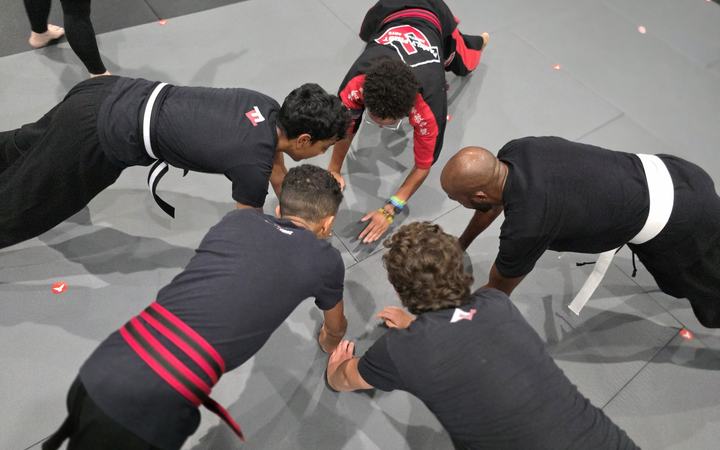
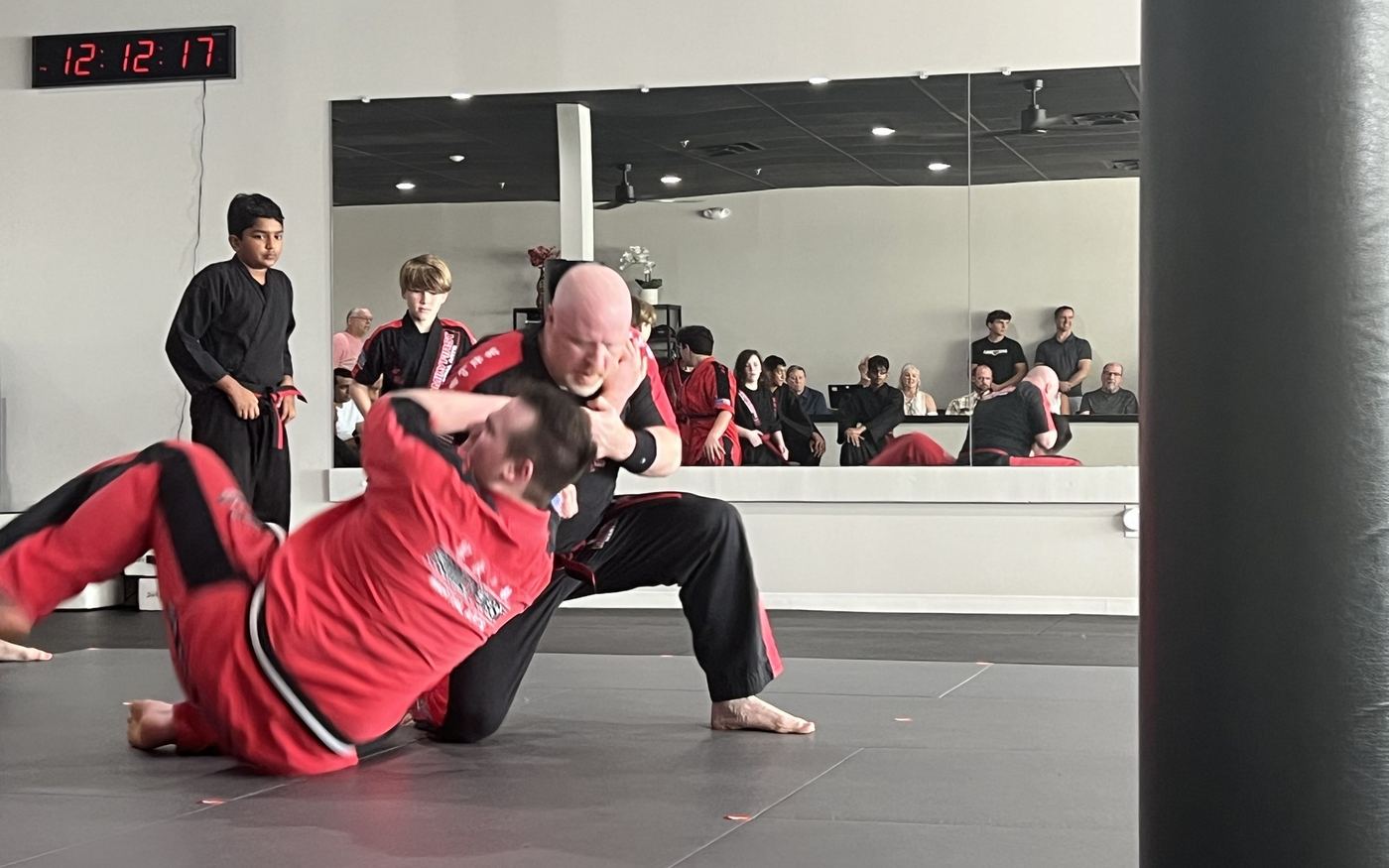
Watch Your Child Grow Beyond the Belt
Martial arts can change a child, but not just in the way they kick or punch. The real change shows up in how they act at home, at school, and with friends. As kids get ready for a new school year, many parents hope their child will walk into the classroom a little taller, a little calmer, and a lot more confident.
If you are wondering if martial arts is really helping with that, you are not alone. Parents often ask if class is just exercise and fun, or if it is truly building character. You want to know what to look for, so you can tell if your child is growing in a real, lasting way.
At Family First Martial Arts Franklin, we see the belt as a marker, not the finish line. What matters most is who your child is becoming away from the mat. Let us walk through clear, practical signs of martial arts character development so you can recognize that growth in your own child.
What True Martial Arts Character Development Looks Like
Real character development in martial arts is a long-term process. It is less about perfect kicks and more about how your child thinks, chooses, and responds when life is not easy. In class, we use drills, routines, and clear expectations to shape attitude as much as skill.
There are three big areas most parents notice first:
- Self-control, that pause before they react
- Responsibility, owning choices and daily tasks
- Respect, for self, others, and rules
These do not just show up in the studio. You might notice it in how your child speaks to siblings, handles a tough homework assignment, or reacts when you say no to more screen time. It might be as simple as better eye contact when adults talk to them, or a quick “yes sir” or “yes ma’am” when you ask them to do something.
Sometimes the changes are small at first. Your child tries a hard drill again instead of giving up. They stay calmer when they do not get their way. They listen the first time a teacher talks instead of needing five reminders. In a healthy martial arts school, these traits are taught on purpose through the words instructors use, the structure of each class, and the standards that never change.
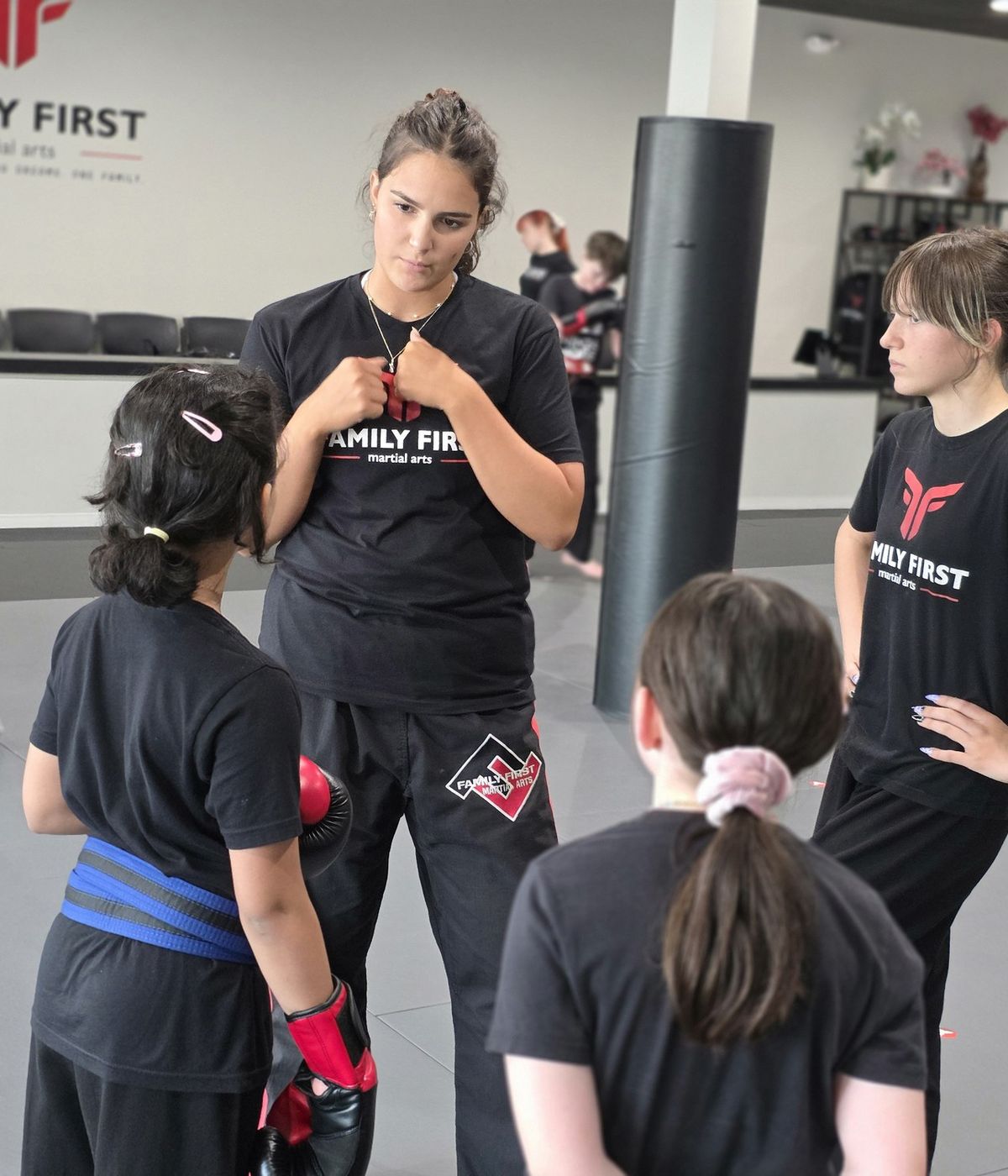
Signs Your Child Is Growing in Confidence and Discipline
One of the strongest signs of martial arts character development is growing confidence. Confident kids do not always feel brave, but they act brave anyway. After a few months of steady training, you may see your child:
- Raise a hand more in school
- Try out for a club or team they were scared of before
- Walk into new situations with better posture and eye contact
In class, students get corrections all the time. When your child can accept feedback without shutting down, it shows their confidence is getting stronger. They learn that mistakes are not failures, just chances to grow.
Discipline is another big shift. As your child practices focus in class, you may notice more follow-through at home. That can look like:
- Completing homework with fewer reminders
- Finishing chores before play
- Getting ready for school, practice, or bed with less arguing
Emotional control is a huge part of discipline too. Maybe your child used to melt down when they lost a game or did not earn a new belt. Now they might still feel upset, but they calm down faster, use words to explain, and try again next time. That is progress.
You may also see more ownership. Your child starts to keep track of their gear, pack their own bag, and lay out their uniform without constant prompting. This mirrors what they experience on the mat, where they are expected to take care of their equipment and be ready to train.
As school gets underway, teachers often notice these changes as well. You might hear about better focus, fewer behavior issues, and more participation. That is martial arts character development showing up in the classroom.
Respect, Leadership, and How Your Child Treats Others
Real martial arts training puts a high value on respect. It is built into how students line up, how they answer instructors, and how they treat training partners. Over time, this respect can spill into daily life. Parents often see:
- More polite words like please, thank you, and excuse me
- Better listening when adults or peers are speaking
- Improved manners at the dinner table and in public
Leadership usually starts in small moments, not big speeches. You might notice your child helping a younger sibling with homework or showing a younger classmate a basic move. When they step up to include someone who is left out or encourage a nervous friend, those are real leadership skills in action.
Standing up the right way is another sign of growth. A child who once stayed silent, or joined in when others made fun of someone, may now:
- Use a strong, calm voice to say stop
- Move their body with more confidence
- Go to a trusted adult instead of handling it alone
On the mat, students learn to celebrate each other’s progress. Winning and losing are both treated as normal parts of training. As this mindset sinks in, kids start to see that effort and attitude matter just as much as the final score.
In our school, we care deeply about raising young leaders for their families, schools, and our Franklin community. Kicks and punches are just tools we use to build that kind of character.
How to Partner with Your Child’s Instructors
Parents and instructors work best as a team. When we share the same goals and language, kids get a clear message about what matters.
Here are a few ways to partner with your child’s instructors:
- Share goals and concerns, like focus at school, shyness, or anger when frustrated
- Keep class attendance steady, even when schedules get busy
- Use similar words at home that we use on the mat, like focus, self-control, and respect
When you see your child struggling in a certain area, let us know. We can quietly support that growth in class with specific drills, expectations, and encouragement. Discipline and confidence are built through repetition, so consistent training is a big help.
At home, you can reinforce what they learn by praising effort, not just results. Simple phrases like “I noticed you calmed down faster that time” or “Great job finishing your chore before I asked again” connect their behavior to the skills they practice in class. Over weeks, not days, you will start to see patterns. Checking in with instructors about leadership, respect, and self-control can give you another view of your child’s progress.
When parents and instructors hold the same standards, kids feel supported and clear on what doing the right thing looks like.
Helping Your Child Take the Next Step This School Year
Character growth is built in moments that are easy to miss. A quiet apology. A deep breath instead of yelling. Helping a friend with no reward. When you pay attention to these non-physical wins and point them out, your child learns that who they are matters even more than what belt they wear.
One helpful idea is to set one or two simple character goals with your child for the school year. Goals like “I will keep my eyes on the teacher” or “I will help at home without complaining” give them something clear to work toward. Share those goals with their instructor so we can support them from our side too.
As life settles into a school routine, it can be a great time to begin or deepen martial arts training. Strong habits at home, in class, and at school can all work together. At Family First Martial Arts Franklin, our heart is to partner with families who want their kids to grow into confident, respectful leaders on and off the mat.
Help Your Child Build Confidence, Respect, and Focus
At Family First Martial Arts – Franklin, we help kids grow from the inside out with life skills that reach far beyond the mat. If you are ready to support your child’s growth, explore our martial arts character development programs and find the best fit for your family. We will guide you through the next steps so your child can start gaining confidence, discipline, and positive habits that last.