
Is Karate Safe for Kids?
Karate can be very safe for kids when the school is run the right way. Many parents want the benefits like confidence, focus, and discipline, but feel nervous about injuries or rough coaching. That concern makes sense, and it is smart to ask questions before you enroll your child in any kids’ karate classes.
The good news is that modern, family-focused programs are built with safety in mind. With age-appropriate classes, clear rules, and caring instructors, training can be structured, fun, and very low risk. As schedules fill up with school, sports, and activities, this is a perfect time to learn how to tell if a dojo is truly right for your family. By the end of this article, you will know how to vet instructors, what safe sparring should look like, and which injury-prevention steps every kids’ karate program should have in place.
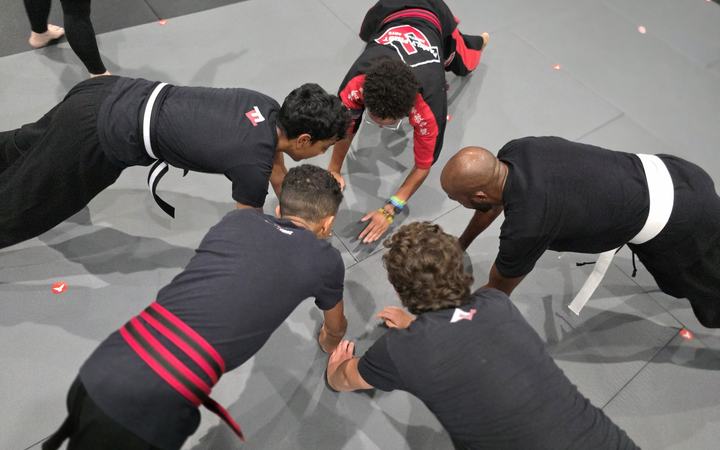
What Safe, Age-Appropriate Karate Looks Like
Safe karate for kids starts with smart grouping. A quality school will separate students by both age and experience so that expectations match your child’s stage of growth. For example, kids might be placed in groups like:
- Early childhood, around 4 to 6
- Elementary ages, around 7 to 11
- Teens, around 12 to 16
In each group, the class length, pace, and drills should fit their attention span and coordination. Younger kids should work more on balance, basic movements, listening skills, and simple self-defense ideas. Older kids and teens can handle longer classes, more detailed techniques, and deeper talks about leadership and character.
A safe class usually follows a steady structure, such as:
- Dynamic warm-up to get muscles ready
- Clear demonstration of each technique
- Controlled partner drills with close supervision
- A short cool-down and review
What you do not want to see is a chaotic free-for-all, kids running into each other, or drills that look too advanced or wild for their age.
Emotional safety matters just as much as physical safety. Instructors should use positive reinforcement and clear, consistent boundaries. There should be zero tolerance for bullying, mocking, or humiliating anyone on the mat. A strong dojo culture builds confidence and character, not fear or shame. Traditional values like respect and courtesy are great, but they should be combined with modern knowledge about child development and youth safety, not old-school harshness.
How to Vet Karate Instructors Like a Pro
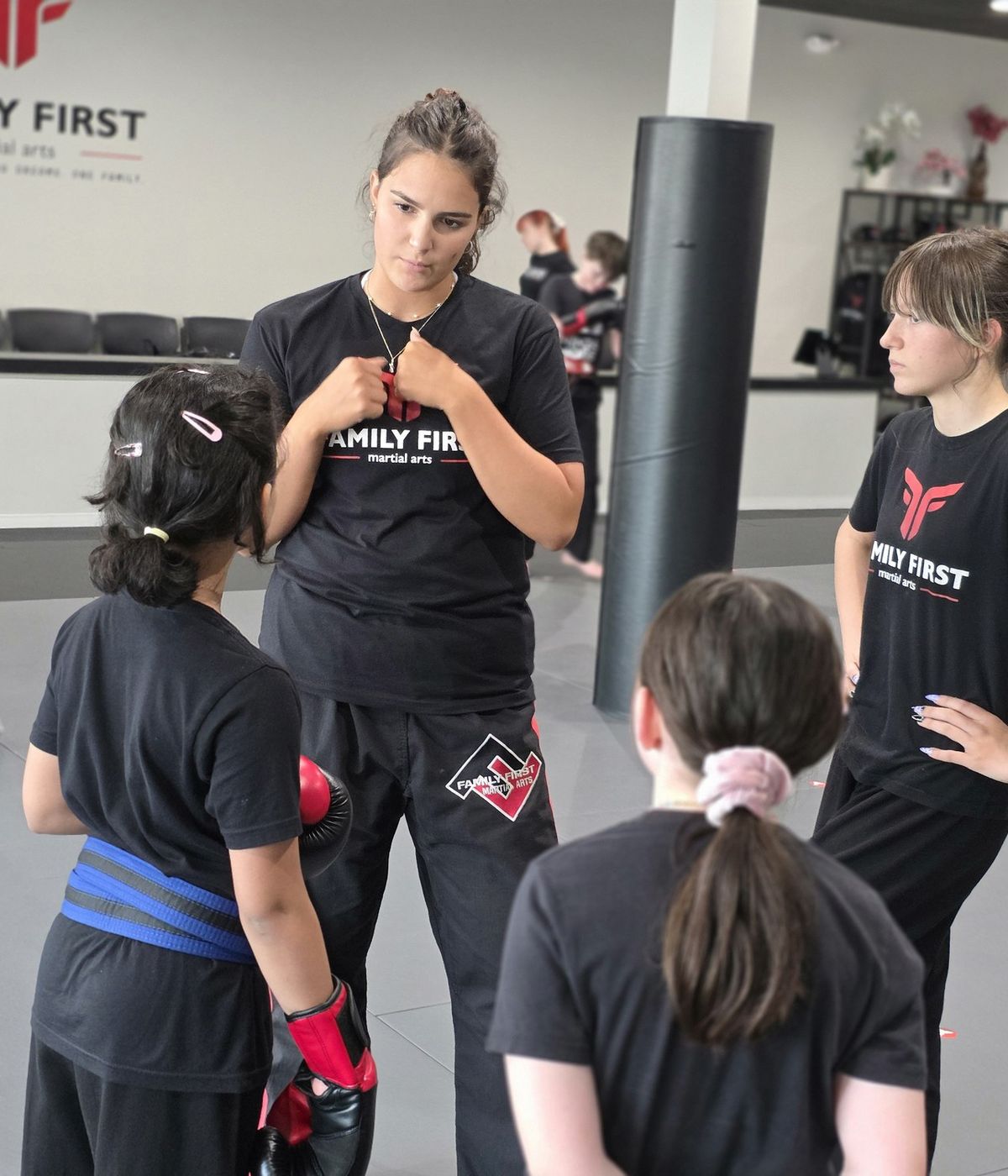
A black belt is great, but it is only the starting point. For kids’ karate classes, parents should look for instructors who are trained to work with children, and who take safety seriously.
Healthy signs include:
- Background checks for instructors and staff
- Training on how to teach kids, not just how to perform techniques
- CPR and first aid training
- Ongoing classes or workshops to keep skills and teaching methods current
When you visit a school, ask direct questions such as:
- How do you introduce sparring for kids?
- How do you handle a shy, anxious, or very energetic child?
- What is your plan for preventing injuries in class?
- How many students are on the mat per instructor?
There are also clear red flags to watch for:
- Instructors who yell, shame, or insult kids
- Roughhousing in the corners while coaches look the other way
- No posted rules or rules that change from day to day
- Staff who brush off your safety questions or seem annoyed by them
Whenever you can, sit in and observe a full class. Notice if instructors know students by name, explain the why behind rules, and correct behavior calmly and clearly. The whole mat should be supervised, not just the kids in front of the instructor. In a family-focused school, you should see structure, respect, and kindness working together.
Sparring Rules That Keep Kids Confident and Safe
Sparring is often the thing parents worry about most. Done right, it can be one of the safest and most growth-building parts of karate. Done wrong, it can feel like a fight club.
Safe youth sparring should:
- Be introduced gradually, after good control and basics are in place
- Require proper protective gear every time
- Follow clear rules that are explained in kid-friendly language
- Use light contact and constant instructor supervision
Common rules in safe kids’ karate classes include:
- Only striking approved target areas on the body
- No contact to the head for younger children, or very limited controlled contact at higher levels
- No wild swinging or spinning without control
- Partners matched by size, age, and skill level
Respectful sparring builds focus, self-control, and resilience. Kids learn to manage nerves, follow rules under pressure, and stay calm when things get exciting. No child should ever be pushed to spar before they are ready, and there should always be a clear way for a child to pause or step out if they feel overwhelmed.
When you visit a dojo, ask:
- At what rank or age does sparring begin?
- How often do kids spar?
- What protective gear is required?
- How do instructors stop unsafe behavior quickly?
- How do you prepare students mentally and how do you debrief afterward?
Your goal is to see a plan, not improvising.
Injury Prevention, Gear, and Clean Training Spaces
Even in the safest school, kids can get small bumps, bruises, or muscle soreness. The goal is to keep injuries minor and rare by having good systems in place.
A well-run dojo will:
- Use padded floors and inspect them often
- Start every class with a warm-up and stretching
- Build skills step by step, not rush into advanced moves
- Set rules about no jewelry, trimmed nails, and safe traffic flow on the mat
- Respond right away with basic first aid when needed
Protective gear is an important part of safety in kids’ karate classes. You should expect to see:
- Properly fitted gloves and hand pads
- Shin and foot protection
- Mouthguards during sparring
- Optional headgear when appropriate for the child and activity
Instructors should regularly check that gear still fits, is not worn out, and is being used correctly.
Cleanliness also matters, especially as weather cools and more people share indoor spaces. Safe schools keep mats sanitized on a regular schedule, have kids wash or sanitize hands before class, and ask families to keep children home when they are sick. A clean, well-kept dojo lowers the risk of skin problems and helps protect kids’ overall health.
Questions to Ask Before You Enroll
Before you commit to a program, it helps to have a simple checklist. You might bring questions like:
- How are classes grouped by age and rank?
- What are your student-to-instructor ratios?
- What written safety policies do you follow?
- How do you report, track, and respond to injuries?
- How do you work with parents on behavior, goals, and progress?
Many schools offer a trial class or short introductory program. Use that time to watch how your child is treated, how other kids behave, and what the general energy feels like. A good kids’ karate class will feel welcoming, structured, and upbeat, with clear leadership and a family-centered culture.
Your instincts matter. If the atmosphere feels aggressive, disorganized, or dismissive of your questions, it is okay to keep looking. The right school will feel like a place where your child can grow stronger and more confident, while you feel calm about their safety. In our own community at Family First Martial Arts in Franklin, we believe karate should help kids build confidence, discipline, and leadership in an environment that is safe, supervised, and truly family first.
Help Your Child Build Confidence And Focus Through Karate
Give your child a positive outlet where they can grow stronger, more confident, and better able to focus in school and at home. At Family First Martial Arts – Franklin, our certified instructors guide students step by step so they feel safe, supported, and excited to learn. Explore our kids’ karate classes to find the best fit for your child’s age and experience level. Reach out today to reserve their spot and help them take the first step onto the mat.