Skip the Myths and Find What Really Helps Your Child
Parents often start searching for new activities when school routines settle in. Martial arts catches the eye, then the doubts start. Is a program for younger kids too intense for little ones, or is it just kids running around in tiny uniforms?
You might worry about your child learning to be aggressive, or you may fear your shy child will be lost in the crowd. Those feelings are normal. Many parents in Franklin ask the same questions before their first class.
At our school, the focus is on confidence, discipline, leadership, and social-emotional skills for children of all ages, from our youngest students through teens. Classes are structured, encouraging, and family-centered. We avoid high-pressure tactics and instead create an environment where kids feel safe to grow. Let us walk through the most common myths you can skip, what a high-quality martial arts program for young children really looks like, and how to choose a program that matches your family values.
Myth 1: Martial Arts Teaches Kids to Be Aggressive
When parents hear “martial arts,” they often think of movie-style fights and flashy kicks. Real children’s martial arts, especially for younger ages, looks very different. For kids, it is about learning respect, self-control, and how to make good choices even when they feel frustrated.
A good program for young children teaches them:
- To listen to their instructors the first time
- To keep hands and feet to themselves unless it is part of a drill
- To use their words before they use their bodies
We explain clear rules about when and where skills are used. Kicks and blocks stay in class or in a true emergency, never on siblings or friends. Instructors praise calm behavior, kind choices, and trying again after a mistake, not “tough” or show-off attitudes.
All that kicking, jumping, and moving helps kids channel extra energy in a safe way. The structure of class gives them a place to put big feelings. Instead of acting out, they learn to pause, breathe, and follow the next instruction. That kind of self-control helps at home, in school, and in every busy season of life, from the early years through the teenage stage.
Myth 2: Young Kids Are Too Little to Learn Anything Real
Some people think ages 4 to 6 are just about play, so “real” learning can wait. The truth is, children are learning all the time. Their brains love short, active bursts of movement that look like games but are actually building important skills.
In a strong beginners’ martial arts program for younger kids, drills might look playful, but they are designed to build:
- Balance and coordination
- Focus and memory
- Body awareness and safety
- Basic strength and flexibility
Kids learn “real” skills such as standing on a spot without moving, waiting their turn, following two or three-step directions, and responding with “yes sir” or “yes ma’am” while making eye contact. As they grow into elementary and middle school classes, those habits support success in academics, team sports, and leadership opportunities.
When young children practice these skills every week, they begin to handle transitions better. Lining up at school feels easier. Sitting at the dinner table becomes less of a battle. They are still little, but the foundations for future success as older kids and teens are being set in place.
Myth 3: A Martial Arts Class for Young Kids Is Just Expensive Playtime
Not all play is the same. Free play is great, but it is different from a structured class with clear goals. In a high-quality, family-focused program, class time follows a plan. Instructors know what they want kids to learn that day and how it connects to the week and month.
You should see things like:
- A simple curriculum with age-appropriate moves
- Themed weeks that highlight focus, kindness, or perseverance
- A basic stripe, tape, or sticker system that rewards steady effort
- Routines that repeat so kids feel safe and confident
Each activity has a purpose. Kicking a pad is not just fun, it is a chance to practice balance, aiming, and listening for a clear cue. Fun races can teach teamwork and taking turns. Character lessons are built into those drills, not tacked on at the end.
Parents can spot real value by watching for consistent instructors, smooth class flow, and brief feedback after class. When you see your child standing taller, listening better, and taking pride in small wins, you know it is more than just playtime.
Myth 4: Martial Arts Will Clash with Our Family Values
Families who value kindness, faith, and community sometimes worry that martial arts culture is all about fighting or ego. At its best, martial arts is the opposite. It is a tool to teach gratitude, respect, and responsibility in a very practical way.
A values-based program connects class skills to home life. For example, kids might earn praise for:
- Helping with simple chores without being asked
- Using polite words and tone with parents and siblings
- Being a leader in class by including others
- Showing courage to try something new even when nervous
Instead of glorifying “winning at all costs,” instructors talk about effort, teamwork, and doing the right thing even when no one is watching. A warm, structured school works as a partner with parents, reminding kids that manners matter in the lobby, at home, and in the community.
As children grow into the preteen and teen years, this shared language of respect and responsibility becomes even more important. When schedules get full, a steady, values-aligned activity can actually calm the week. Children know what to expect in class, parents see behavior that lines up with what they teach at home, and the whole family gets a consistent anchor in the routine.
Myth 5: My Child Is Too Shy, Active, or Sensitive for This
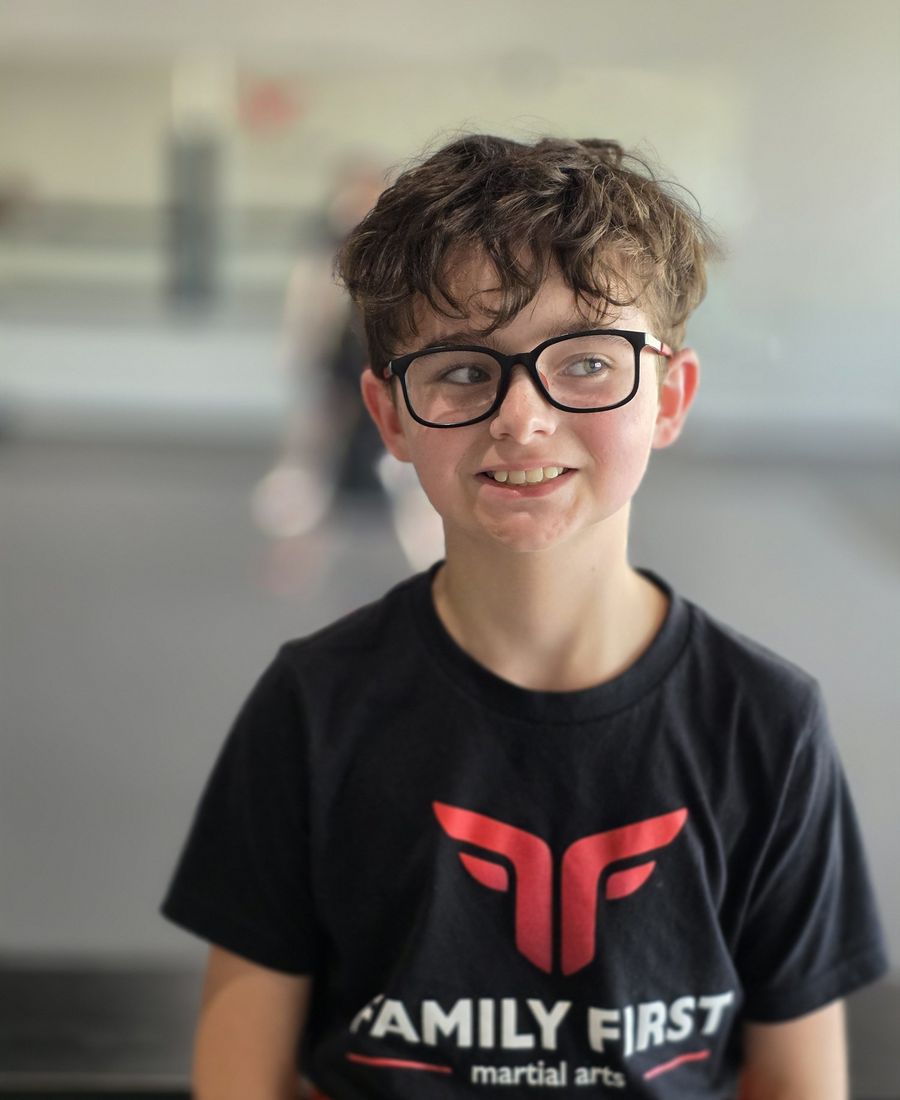
Many parents worry their child just will not fit the martial arts mold. Maybe your child is very shy, cries easily, or hides behind you. Maybe your child never stops moving and struggles to listen. A thoughtful children’s martial arts program is built with different personalities and learning styles in mind.
For shy or sensitive children, small class sizes, clear structure, and predictable routines help them feel safe. They are not thrown into the middle of the room and told to perform. Instead, they get gentle coaching, simple jobs they can succeed at, and time to warm up.
Active or impulsive kids often thrive in martial arts. They finally get a place where movement is expected, but it comes with rules. They learn that:
- We only kick and punch targets, not people
- We stop and listen when the instructor says the cue word
- We earn praise by controlling our body, not by being the loudest
For older kids and teens, the same principles apply, with added emphasis on leadership, goal-setting, and positive peer influence.
Over time, the program meets each child where they are. Progress is measured in small steps, like raising a hand to answer, walking onto the mat with confidence, or trying again after a fall. These victories build real confidence that carries into every new situation, at school, at home, and in future leadership roles.
How to Choose the Right Martial Arts Program for Your Family
Once you are ready to look past the myths, the next step is choosing a school. Not every program will fit your family, and that is okay. A short visit tells you a lot.
When you walk in, notice:
- Is the space clean and family-friendly?
- Do instructors greet kids by name and at eye level?
- Is the tone firm but kind, without yelling or harshness?
- Do you see clear structure, lines, and routines in class?
- Are there appropriate groupings for younger children, older kids, and teens?
Ask questions such as, “How do you handle shy kids?” “How do you teach kids not to use moves at home or school?” and “What should my child be able to do after a few months?” Good instructors will be happy to explain their approach for different age groups.
Sit through a trial class if you can. Watch your child’s face. Are they mostly engaged? Do they smile, even if they are a little nervous? Notice how instructors redirect behavior. Calm, consistent guidance is a strong sign you have found the right martial arts program for your family in Franklin or anywhere else, one that will support your child from the early years through their teen journey.
Help Your Preschooler Build Confidence And Focus Today
Our team at Family First Martial Arts – Franklin is ready to guide your child through a fun, structured preschool martial arts program that nurtures confidence, respect, and self-control. We create a positive environment where young students can develop coordination and listening skills while staying active. If you are looking for an engaging activity that supports your child’s growth on and off the mat, we would love to welcome your family into our community.