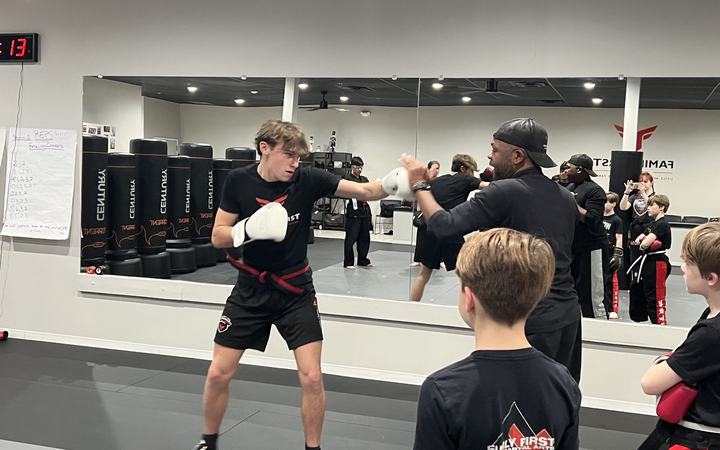

Many parents bring their young kids to beginner karate classes hoping they’ll learn discipline, control, or just burn off some energy. But what actually happens during those first classes goes far beyond just punching or kicking. These early lessons often give kids tools they carry with them into school, playdates, and even daily routines at home.
The structure, movement, and challenges built into beginner karate classes are shaped for young learners. They meet kids right where they are, full of energy, still learning how to follow directions, and figuring out how to manage their big feelings. At Family First Martial Arts – Franklin, kids can begin in the Tiny Titans program for ages 4 to 7 or the Guardian Kids program for ages 8 to 12, so beginner karate skills are taught in age-appropriate groups. Over time, the benefits stretch out far beyond the mat.
Helping Kids Build Confidence Early
Confidence doesn’t come all at once. For many kids, it builds over time in little ways. That’s exactly what karate helps support. In class, kids learn one new thing at a time. Whether it’s how to hold a stance, use their voice clearly, or land a basic kick, every small achievement is its own win.
This kind of structured progress helps especially with shy or uncertain kids. When a child hears quiet praise or gets a small nod of encouragement, it makes a bigger impact than we might guess. Over time, they start standing taller and answering more confidently because they know how it feels to succeed.
We also see confidence grow when kids:
• Set goals and meet them week by week
• Move from “I can’t” to “I’ll try again”
• Hear regular encouragement from instructors and classmates
That kind of confidence shows up later in group activities, school projects, or trying something new that used to feel scary.
Learning to Follow Directions and Stay Focused
In the early years, many kids are still learning how to listen without getting distracted. Karate gives them clear structure to practice those skills in short bursts. Each class follows a set routine with clear instructions, constant movement, and partner drills. That rhythm helps kids understand the value of listening the first time.
We keep each activity short and focused so younger students don’t feel overwhelmed. Kids start to see that when they wait their turn, follow the pattern, and try their best, they enjoy the class more. They also see what happens when they get off-task, usually a reset, not a punishment, so they begin to self-correct. In the Franklin classes, that structure is reinforced with a few consistent rules that highlight respect, discipline, and focus, helping those habits take root early.
Outside of class, those same habits show up in spots like:
• Following morning routines at home
• Staying on task during reading or group work at school
• Waiting their turn in games or conversations
All of those pieces connect back to early practice in staying focused and finishing the task right in front of them.
Practicing Respect in Every Interaction
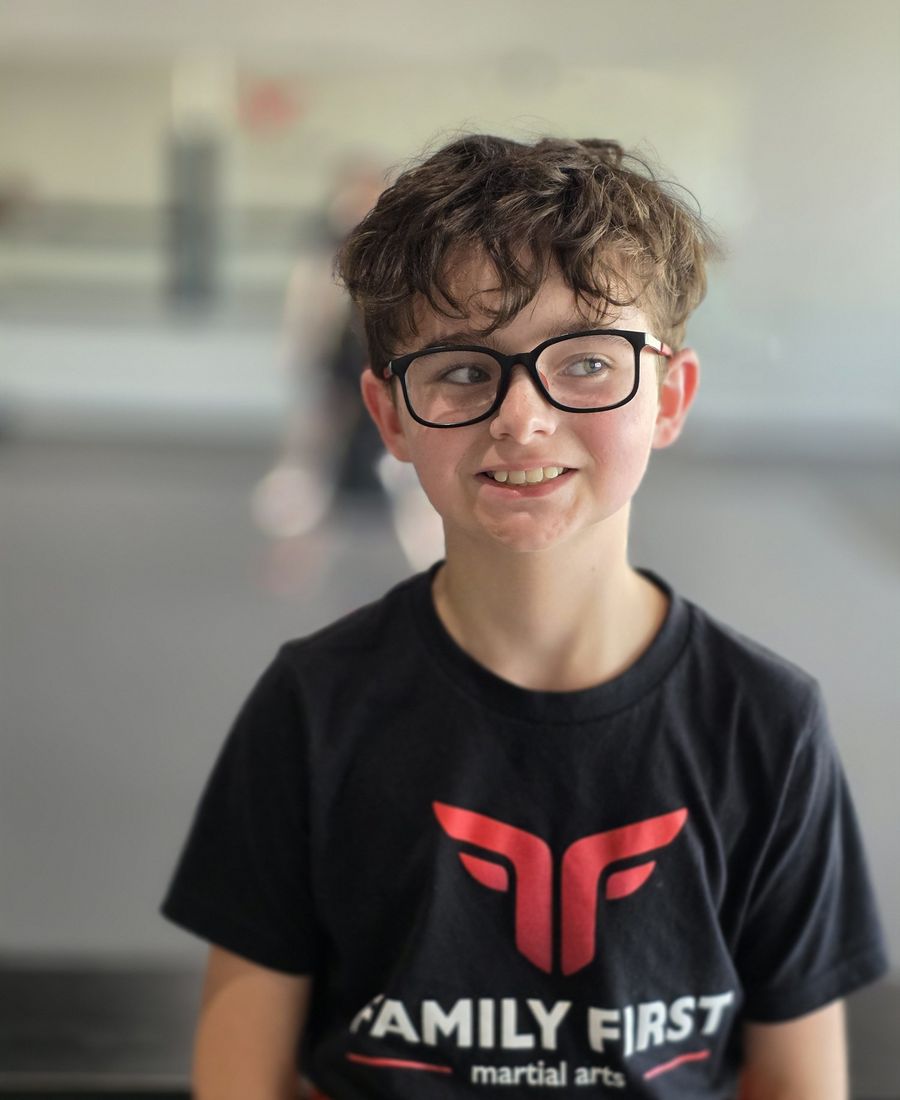
Respect isn’t one big lesson, it’s something kids learn over time in how they speak, move, and treat others. Karate classes help build that through daily practice. Greeting instructors with “yes, sir” or “yes, ma’am,” bowing before they begin a drill, and waiting quietly in line are things that become routine.
These aren’t about just following rules. They’re about shaping how kids see their place in a community. When they stand still during their classmate’s turn or hold the pad for someone else’s kick, they learn to value other people’s progress too.
We see respect grow when kids:
• Take turns without complaining
• Cheer each other on without being asked
• Say thank you after working with a partner
The best part is watching those manners show up in unexpected places, like during a playdate or after a team activity, because they’ve been built into how the child now moves through the day.
Learning to Manage Big Emotions
It’s completely normal for young kids to struggle with big feelings. Whether they’re feeling excited, frustrated, left out, or even just tired, those emotions can show up fast and catch them off guard.
Karate gives kids tools to deal with those moments in real time. Controlled movement, like slow breathing or a focused stance, helps shift energy out of their heads and into their bodies. Instead of yelling or shutting down, students learn to pause, reset, and then respond.
Instructors also model this in class. When something doesn’t go as planned, we don’t ignore it. We acknowledge it, steady our tone, and move forward. That simple practice teaches kids that hard moments are part of learning, not something to be afraid of.
By practicing emotional control in a low-pressure space, children build mental strength that supports them:
• During arguments with siblings
• When they lose a game or have to wait
• In the classroom when the day feels overwhelming
Those early tools make a big difference in how kids hold themselves and handle challenges that pop up fast.
Bringing it All Home: How Karate Changes Everyday Life
Over time, it’s easy to forget that these lessons started on the mat. The new confidence, the better listening, the steady patience, it often starts to show up in the small moments first.
Families often notice it during bedtime routines, when a child calmly brushes their teeth without reminders. Or in the classroom, where teachers see new focus and cooperation. Sometimes it’s more subtle, a better attitude when things don’t go their way, a softer tone when apologizing to a sibling, or a deep breath before trying again on a tough math problem.
What starts in beginner karate classes becomes part of how kids carry themselves. They begin to understand that learning takes time, that trying again is part of the plan, and that respect helps everyone do better together. Families in Franklin can even start with a free introductory session to see how their child responds to the coaching and class environment before making a longer-term commitment.
It’s not about being perfect. It’s about creating a space where growth feels possible, and practicing those habits every week until they start to feel natural. Families may come for the activity, but often they stay for the character-building that stretches far beyond class.
At Family First Martial Arts – Franklin, we have seen the difference consistent structure and encouragement can make in a child’s growth as they develop focus, patience, and the ability to handle frustration one step at a time. Curious about how your child might benefit from our beginner karate classes? We are here to answer any questions and help you take the next step.